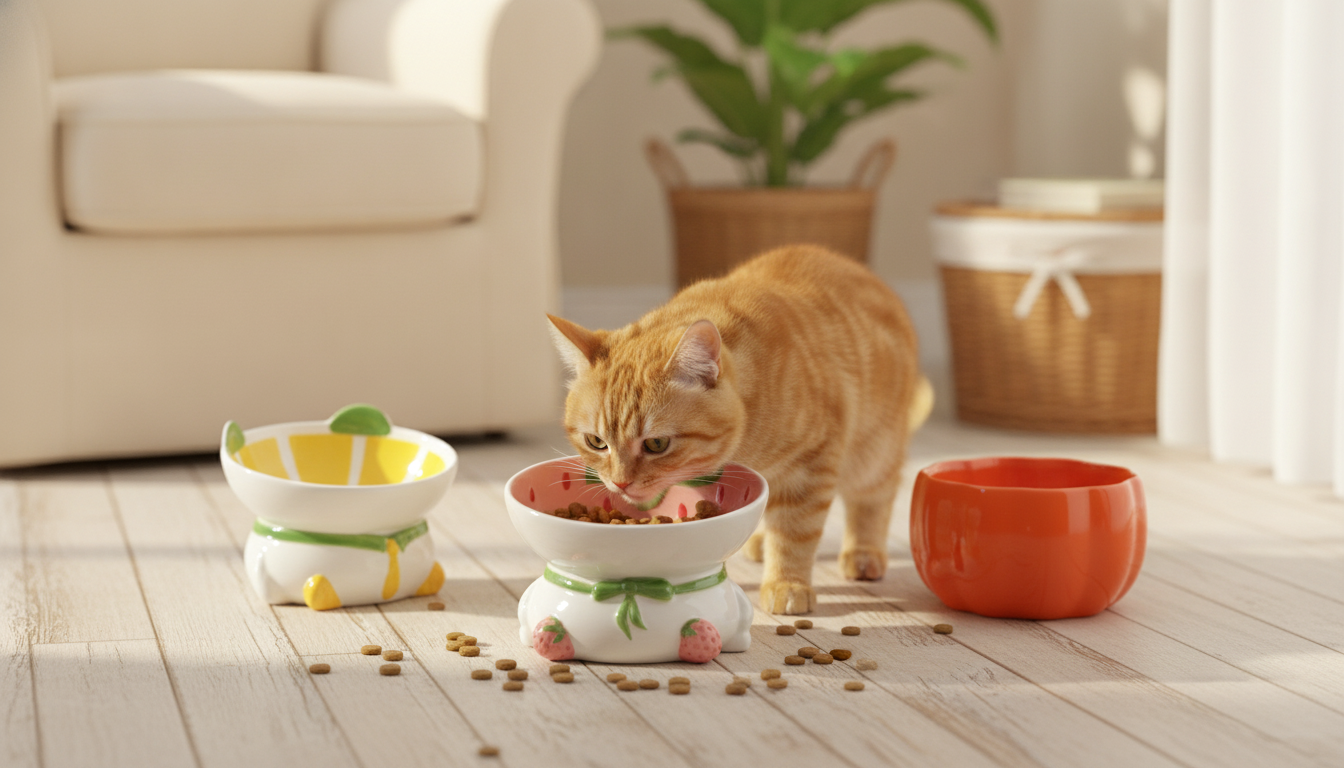
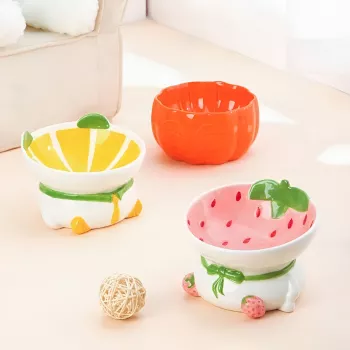
An elevated bowl can make daily meals calmer and cleaner by keeping food and water at a more comfortable height while staying firmly in place. This elevated ceramic pet bowl pairs a sturdy ceramic dish with a stable, non-slip base to help reduce sliding, tipping, and messy floors—especially for eager eaters.
If you’re updating your feeding station, the Elevated Ceramic Pet Bowl with Non-Slip Base is a simple upgrade that focuses on comfort, stability, and easy cleanup. For cats that prefer a different angle, the Stress-Free Tilted Cat Food Bowl can be a helpful alternative for certain feeding styles.
Many pets eat quickly, shift their stance, or nudge their bowls as they go. Elevation changes the eating posture and can make the whole routine feel less frantic—particularly in homes with hard floors and enthusiastic eaters.
Feeding comfort is only one piece of the picture. For broader nutrition guidance—especially when changing diets or portions—reliable resources like the American Veterinary Medical Association (AVMA) pet nutrition resources can help set good fundamentals.
Some bowls are lightweight and easy to skid; others are heavy but still slide or rattle on tile. This design combines a substantial ceramic dish with a base built to stay put, aiming for a steadier, quieter mealtime.
| Feature | Why it matters |
|---|---|
| Elevated height | Brings food and water closer to the pet, reducing crouching and helping keep the feeding area tidier |
| Ceramic bowl | Smooth, easy-to-clean surface; often preferred for reducing lingering food smells |
| Non-slip base | Helps prevent sliding, tipping, and rattling on hard floors |
| Stable footprint | Supports more controlled eating and fewer spills |
The “right” height isn’t about making a pet taller—it’s about supporting a natural posture. A good setup lets your pet eat without compressing into a tight crouch or stretching upward to reach the food.
| Pet type | Look for | Adjustment idea |
|---|---|---|
| Cat | Neck stays neutral; shoulders not hunched | If the cat crouches tightly, try slightly higher; if the chin lifts, try slightly lower |
| Small dog | Comfortable stance; no wide splay of front legs to reach | If the dog leans down sharply, try higher; if stretching up, try lower |
| Medium/Large dog | Stable footing; easy swallow without awkward bending | Raise gradually in small steps and observe posture and pace |
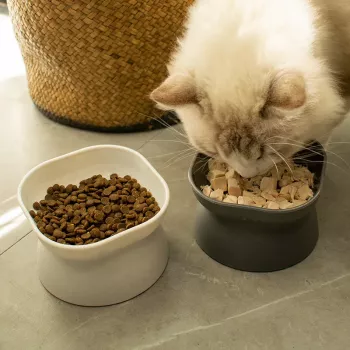
If your cat tends to “hook” food toward the edge of a flat dish, a tilted design may help keep bites centered. In that case, consider the Stress-Free Tilted Cat Food Bowl for a different feeding angle, while still prioritizing easy cleaning and a consistent station.
A stable bowl is a great start, but daily habits keep the area cleaner and reduce competition between pets. Small adjustments—like spacing bowls apart—can slow rushed eating and prevent “crowding” behaviors.
For cat households, it can also help to keep feeding routines steady and support balanced nutrition choices. The Cornell Feline Health Center offers practical feeding and nutrition basics that pair well with a tidy, consistent mealtime setup.
If you’re switching to the Elevated Ceramic Pet Bowl with Non-Slip Base, consider introducing it during a calm meal. A short “getting used to it” period can help some pets slow down and stop testing the bowl with paw taps or nose nudges.
Many pets do well with an elevated bowl, but the ideal height depends on size, posture, and health. Watch for a relaxed stance and neutral neck position, and consult a veterinarian if your pet has mobility issues or a specific medical condition.
Food bowls should be washed after each use or at least daily, especially with wet food. Water bowls should be cleaned regularly and refilled with fresh water often to help reduce buildup and odors.
A non-slip base can significantly reduce sliding and tipping on flat surfaces, but it can’t guarantee zero spills in every situation. Very vigorous eaters, playful pets, or uneven flooring can still lead to splashes, so placement and a steady surface still matter.





Leave a comment
You must be logged in to post a comment.