
10% off on product page · save $2.11
What Happens If You Exercise 20 Minutes Every Day?
Exercising for 20 minutes every day can improve your energy, support your heart health, and make everyday activities feel easier, especially if you are starting from a less active routine. The changes you notice depend on the activity, its intensity, your starting fitness level, and how consistently you exercise.
Over time, brisk walking can improve endurance, while strength exercises can help you build or maintain muscle and make tasks such as carrying groceries more manageable. You may also notice benefits for your mood and sleep, although progress is rarely identical from one person to another.
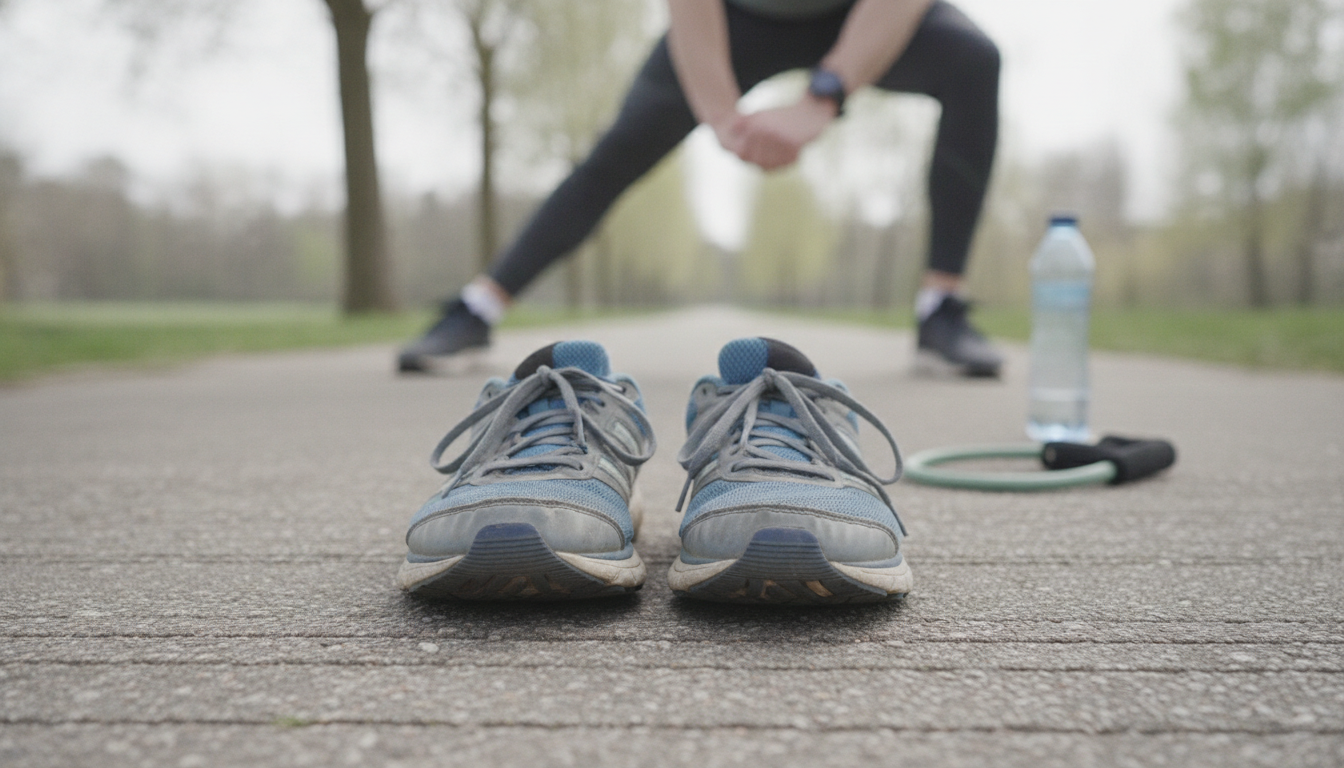
Twenty minutes a day adds up to 140 minutes a week, which is close to the general adult target of 150 minutes of moderate-intensity aerobic activity, such as brisk walking. Adding another 10 minutes somewhere in the week can help you reach that target, and adults are also generally advised to do muscle-strengthening activities on at least two days each week.
You do not have to make every session intense: a brisk walk, a strength workout, and a gentle mobility session can all have a place in your week. Choose activities that suit your current ability and gradually increase the challenge as your fitness improves.

Featured in this guide
A Practical Guide to Functional Strength Training | Digital eBook Download for Real Life Strength & Mobility Workouts
Twenty minutes of daily activity can support weight management by increasing the energy you use, but it does not guarantee weight loss. Your overall eating habits, the intensity of your workouts, sleep, and other individual factors also affect the outcome.
Instead of relying on exercise alone, pair a routine you enjoy with sustainable food choices and give yourself time to assess how you feel. If weight loss is not your primary goal, you can still benefit from improved strength, endurance, and the ability to move comfortably.
Start with a few minutes of easy movement, then use the rest of your session for an activity that matches your goal, such as walking briskly or practicing squats, presses, and carries. Allow recovery by alternating harder strength days with easier movement, and stop if an exercise causes sharp pain or dizziness.
For ideas that connect workouts with everyday movement, read our guide to functional strength training. Our A Practical Guide to Functional Strength Training digital eBook is another option if you want to explore real-life strength and mobility workouts.
“Wow, this guide is amazing! It’s practical and easy to understand. I can now do everyday tasks without feeling any strain. My energy levels are through the roof!”
It is a useful amount and totals 140 minutes over a week, just short of the general aerobic activity target for adults. Add 10 more minutes during the week and include muscle-strengthening work on at least two days to work toward both recommendations.
You may lose weight, but the result depends on your overall energy balance and individual circumstances. Consistent exercise can support your efforts, even when changes on the scale are slow or do not occur.




Leave a comment
You must be logged in to post a comment.