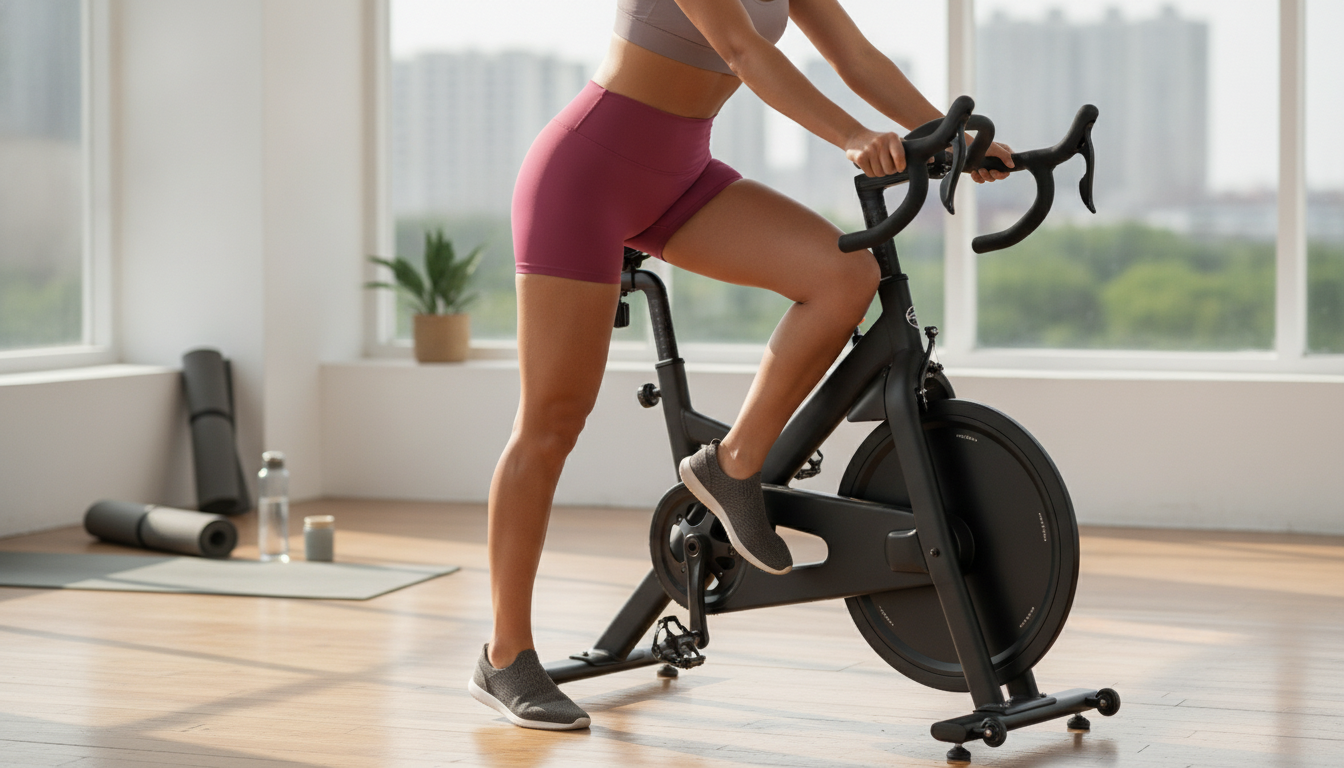
High-waist yoga shorts are built to stay put through squats, sprints, spin sessions, and long walks—supporting the midsection while keeping leg movement unrestricted. The right pair balances waistband security, breathability, stretch, and coverage so training feels stable and comfortable from warm-up to cooldown.
If your week includes a little of everything—strength training, yoga, running, cycling, and quick HIIT finishers—high-rise shorts can simplify your gear drawer by offering one dependable option that transitions well across workouts.
That “locked-in” feeling comes from a few construction details working together. When these elements are dialed in, you spend less time adjusting and more time moving.
For high-impact sessions, the most common issue isn’t the fabric—it’s a waistband that’s either too loose to anchor or too tight to stay comfortable. A snug, breathable band that sits high on the waist typically performs best when pace and impact increase.
Comfort isn’t just softness. It’s how the fabric behaves when your heart rate climbs, when you’re holding a plank, or when you’re logging steady miles.
Compression-style shorts can feel especially steady during repetitive impact. If you’re curious about how compression gear can influence comfort and support, Cleveland Clinic offers a helpful overview of compression wear basics: https://health.clevelandclinic.org/compression-gear.
For practical training comfort and safety considerations—like choosing gear that won’t distract you mid-workout—Mayo Clinic also shares exercise basics worth reviewing: https://www.mayoclinic.org/healthy-lifestyle/fitness/in-depth/exercise/art-20048389.
A great fabric can still fail if the fit is off. Use these quick checks to narrow in on a pair that stays secure and remains squat-proof.
If you train outdoors, also think about pocket needs and how your phone or keys might bounce. A secure waistband can make pockets feel more stable—especially during hill repeats or jump-heavy circuits.
Use this chart to match training type with the feature that tends to matter most. If workouts vary across the week, prioritize a balanced option: secure waist, breathable fabric, and squat-proof coverage.
| Activity | Most Helpful Feature | Why It Helps | Nice-to-Have |
|---|---|---|---|
| Yoga/Pilates | High, wide waistband | Stays anchored in folds and twists | Soft, smooth fabric feel |
| Gym strength (squats/deadlifts) | Opaque, squat-proof stretch | Confidence and coverage under load | Compression-like support |
| Running/HIIT | Stay-put fit + chafe control | Reduces ride-up during impact | Pocket for keys/cards |
| Cycling/Spin | Slightly longer inseam | Less thigh friction and ride-up | Higher breathability |
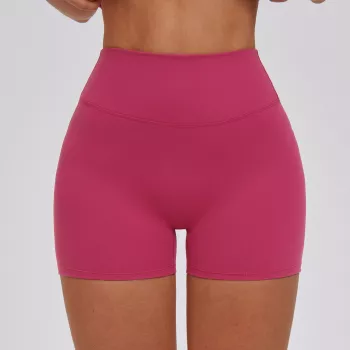
If you want one versatile pair that can handle a mixed training week, High Waist Yoga Shorts for Women – Gym, Fitness, Running, Cycling & Sports Tights are designed for multi-activity use—from lifting days to yoga flows to cardio sessions.
For a training plan that complements your gear—especially if you’re building strength and stability alongside cardio—consider A Practical Guide to Functional Strength Training (Digital eBook) to support real-life strength and mobility workouts you can scale up over time.
They’re less likely to roll down when the rise is truly high, the waistband is wide, and the size is snug without pinching. Do a quick squat test and a jog-in-place test—if the waistband shifts, try adjusting size or choosing a more supportive band.
Longer inseams typically reduce inner-thigh friction by adding coverage where rubbing happens most. Shorter inseams can feel cooler and freer, so the best choice depends on your stride, thigh contact, and how long your sessions run.
They should stretch comfortably without strain and stay opaque when you bend toward a light source. Avoid sizing down too far—overly tight shorts are more likely to turn sheer and put extra stress on seams.





Leave a comment