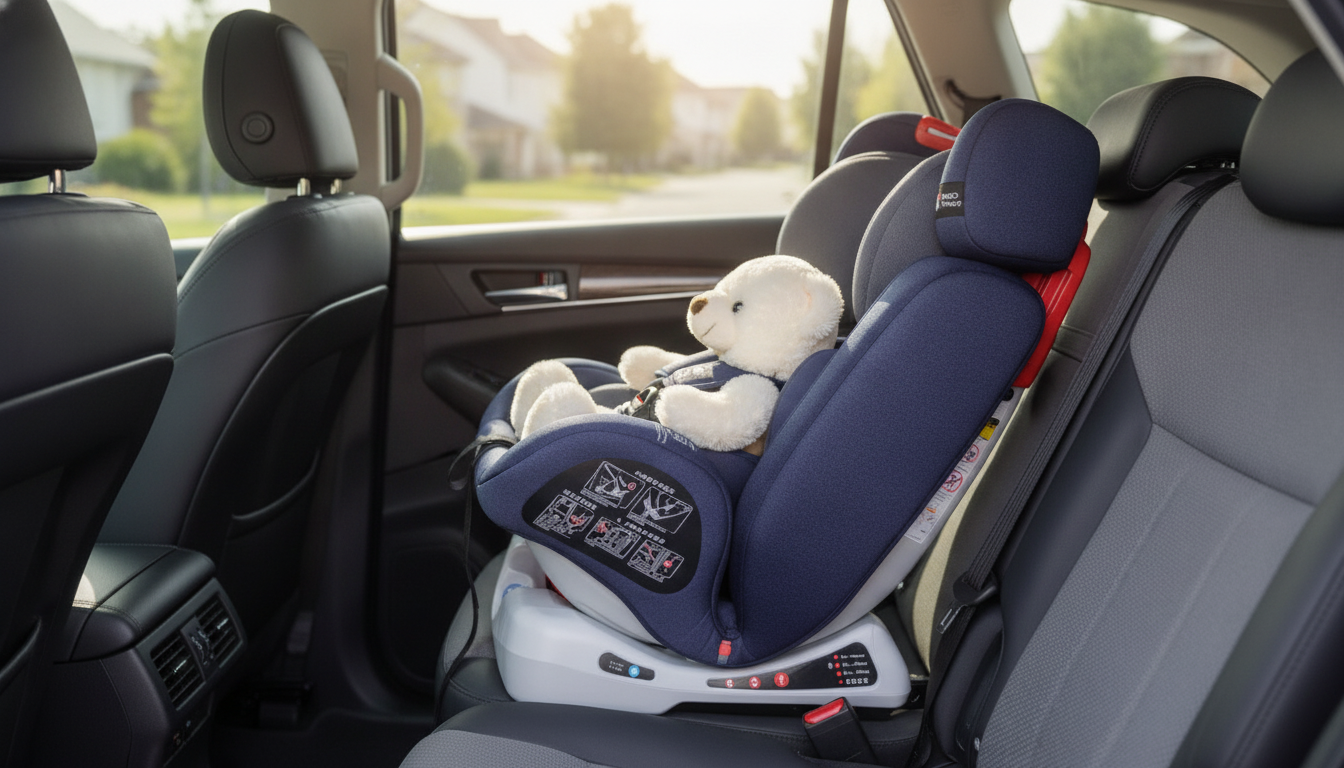
A single car seat that adapts from early rides through later booster use can simplify daily travel while keeping fit and safety checks consistent. Multi-stage “all-age” designs aim to cover key phases—rear-facing, forward-facing, and (on certain models) booster-style belt positioning—so caregivers can focus on correct installation and a secure fit rather than shopping for a new seat every time a child hits a growth spurt.
Below is a practical breakdown of how adjustable seats work, which features matter for everyday life, what to confirm for safety and vehicle compatibility, and how to dial in fit as a child grows.
In car seat terms, “all-age” usually means a seat is designed to support multiple stages depending on the model’s stated limits. The core promise is a “grow-with-child” fit: the headrest height, harness height, recline position, and belt routing can be changed to match a child’s size and seating posture as they develop.
This can reduce how often seats need to be replaced, but it doesn’t eliminate the need to check limits. A seat must match the child’s current height/weight range and be compatible with the vehicle seating positions where it will be used. Always rely on the seat label and manual for allowed modes and limits—convertible and combination seats don’t all cover the same span.
| Stage | Typical use range | Restraint mode | What to adjust | Fit check |
|---|---|---|---|---|
| Rear-facing | Infant to toddler (within seat limits) | 5-point harness | Recline angle, harness height, crotch buckle position (if adjustable) | Harness snug; chest clip at armpit level; seat angle per indicator |
| Forward-facing | Toddler to preschool (within seat limits) | 5-point harness | Top tether use, harness/headrest height | Harness snug; tether attached; no slack at shoulders |
| Booster (if supported) | School-age (within seat limits) | Vehicle belt | Belt guides, headrest height | Lap belt low on hips; shoulder belt centered on collarbone |
Adjustability is only helpful if it’s easy to use correctly every time—especially when different caregivers may be buckling in the same child.
Before committing to a multi-stage seat, confirm it’s a match for both your child and your vehicle—today, not just later.
For additional guidance on best practices and stage recommendations, review resources from the NHTSA, the American Academy of Pediatrics, and the CDC.
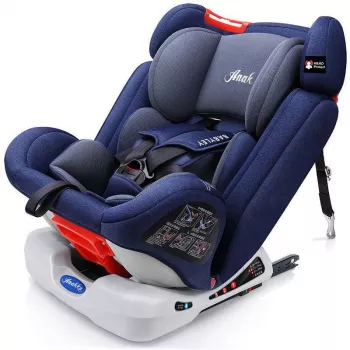
If the goal is one seat that can be reconfigured rather than replaced as frequently, the Adjustable All-Age Car Seat is a multi-stage option designed to support a growing child with configurable fit settings for different stages. Before purchase, confirm the seat’s listed stage modes, height/weight limits, and vehicle compatibility for your exact use case, and keep the manual accessible for quick reference when changing harness height, recline, or belt routing.
| Item | Value |
|---|---|
| Product | Adjustable All-Age Car Seat |
| Price | 742.51 USD |
| Availability | In stock |
| Product page | https://kymug.shop/adjustable-all-age-car-seat/ |
Stay rear-facing until the child reaches the rear-facing height or weight limit listed on the seat label and in the manual. Confirm the recline angle with the indicator and keep the harness snug with straps positioned as directed for rear-facing use.
Both methods are safe when the seat is installed correctly. Follow the seat and vehicle manuals, respect any lower-anchor weight limits, and use the method that gives the most secure, repeatable installation.
The harness should pass the pinch test: after tightening, you shouldn’t be able to pinch excess webbing at the shoulder. Keep straps flat (not twisted) and position the chest clip at armpit level.





Leave a comment