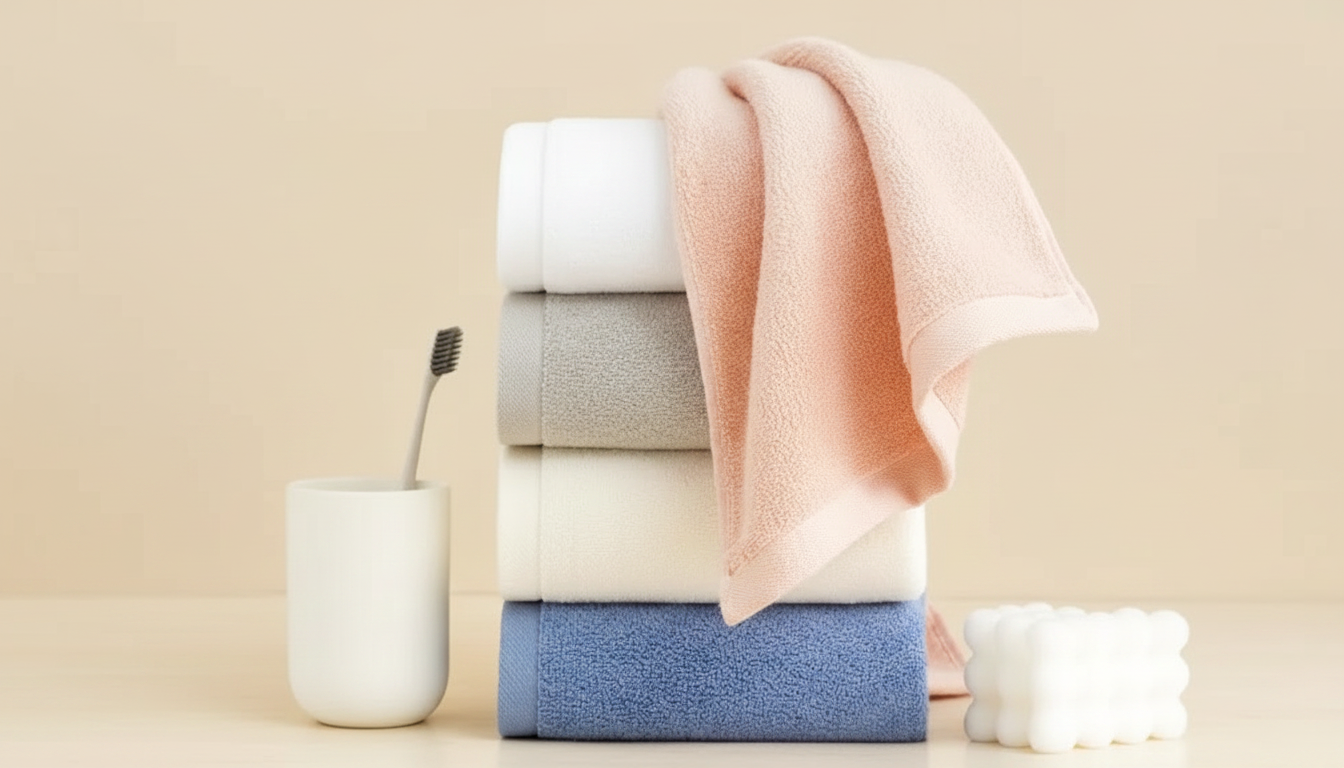
Very soft cotton is often called combed cotton, ring-spun cotton, pima cotton, or Egyptian cotton. These names aren’t just marketing terms—they point to either a higher-grade fiber (like pima or Egyptian) or a spinning/finishing method (like combed or ring-spun) that makes the fabric feel smoother against skin.
Softness usually comes down to fiber length and how the yarn is made. Long-staple cotton fibers can be spun into finer, stronger yarns with fewer rough ends sticking out, which leads to a more buttery feel. The way cotton is cleaned and spun also affects softness: removing short fibers and aligning the rest produces a smoother final textile.
Combed cotton is cotton that’s been “combed” to remove shorter fibers and impurities. The result is a cleaner, more uniform yarn that tends to feel softer and wear better over time.
Ring-spun cotton refers to a spinning method that twists and thins the fibers into a finer, tighter yarn. Fabrics made from ring-spun yarns are often noticeably softer and more durable than standard cotton.
Pima is a premium long-staple cotton (commonly grown in the U.S.) known for a smooth hand-feel and reduced pilling. It’s a frequent choice for soft towels, sheets, and tees.
Egyptian cotton typically indicates extra-long-staple fibers with a luxe feel, especially in terry towels and bedding. The softest versions are usually made from verified long-staple cotton, not just the label.
Beyond the cotton type, towel softness is influenced by pile, weave, and finish. For a practical example of what to look for in a gentle, plush everyday towel, see this guide: 14×30 Ultra Soft Cotton Towel: Absorbent & Multipurpose.
Combed cotton is a cleaning/alignment step that removes short fibers, while ring-spun describes a spinning method that creates a finer yarn. Many very soft products use both for an extra-smooth feel.




Leave a comment