HomeBlogBlogBack-to-Black Restorer for Car Plastic & Coated Leather

Back-to-Black Restorer for Car Plastic & Coated Leather

Back-to-Black Restorer for Car Plastic & Coated Leather

Car Plastic & Leather Restorer – Back to Black Gloss Coating & Polish

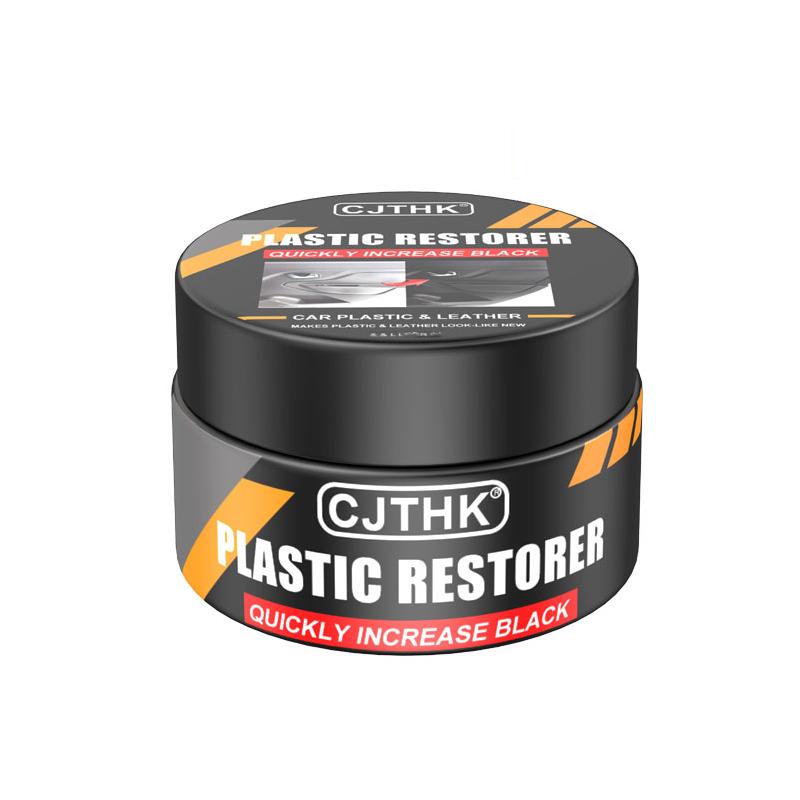
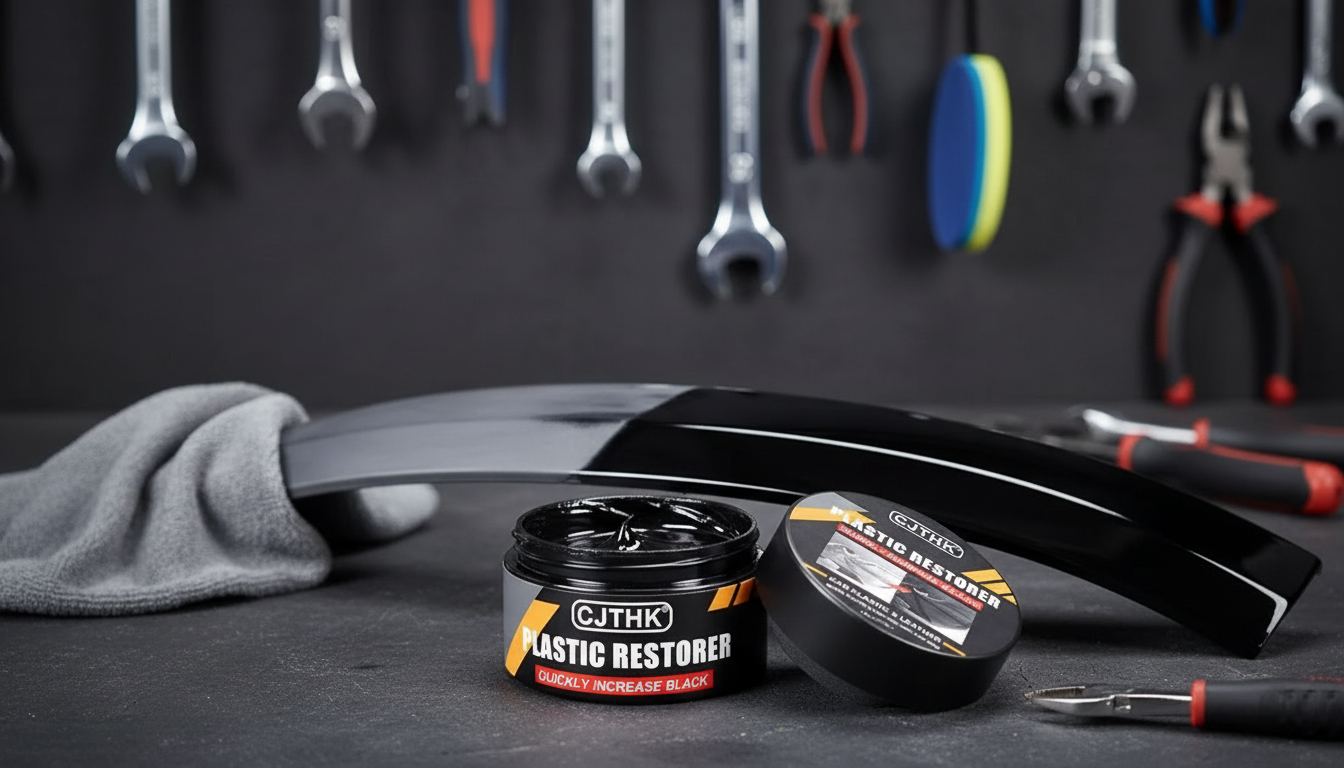
Faded exterior trim and dull interior surfaces can make an otherwise clean car look older than it is. A dedicated restorer helps revive color, deepen gloss, and add a protective finish to plastics and leather-like surfaces when proper prep and application are followed. For a straightforward way to refresh dark trim and touch-worn interior panels, Car Plastic & Leather Restorer – Back to Black Gloss Coating & Polish is designed to bring back that darker, cleaner look without relying on heavy, greasy dressings. For more guidance, see Black trim polish – Honda Pilot Forums.

What a plastic and leather restorer is designed to do

  • Revives the look of sun-faded black and dark trim by enriching color and adding a darker, glossier finish.
  • Leaves a thin protective coating that helps reduce future oxidation and drying from UV exposure.
  • Improves uniformity by minimizing patchy, chalky areas on textured plastics.
  • Refreshes certain leather and leather-like surfaces by restoring sheen and reducing a dry, ashy appearance (best on sealed/coated leather rather than raw aniline).
  • Acts as a finishing step after cleaning, not a substitute for removing embedded grime.

Professional detailing organizations commonly emphasize process over “miracle products”: careful cleaning, controlled application, and safe handling practices matter as much as the bottle you choose. For general best practices, see guidance from the International Detailing Association (IDA). For further reading, see Polishing around lug nuts.

Where it works best (and where it should be avoided)

  • Best uses: exterior plastic trim (bumpers, mirror housings, cowl panels), interior hard plastics (dash trims, console panels), door cards with plastic sections.
  • Use with care: coated automotive leather seats (test first in a hidden area), vinyl and synthetic leather surfaces.
  • Avoid: steering wheel grips and pedals (slip risk), seatbelt webbing, tire treads, clear instrument clusters, matte finishes meant to stay non-glossy, and any surface that becomes hazardous if slick.
  • If a surface is peeling, cracking deeply, or sticky from prior dressings, restoration may require stripping/repair rather than a gloss coating.

For leather terminology (including the difference between coated and more absorbent types), the Leather Working Group (LWG) provides helpful background.

Quick compatibility check before applying

  • Identify the material: textured exterior trim behaves differently than smooth interior plastics; leather can be coated (most common) or absorbent (less common in modern cars).
  • Do a spot test: apply a small amount to an inconspicuous area and check for blotching, excessive shine, or residue after buffing.
  • Check temperature and sun: apply in shade on cool panels; heat can flash-dry product and cause streaking.
  • Confirm previous products: silicone-heavy dressings can prevent even bonding; a proper pre-clean reduces uneven dark spots.

Prep work that makes the finish look even

If you’re detailing for a while, a small comfort upgrade can make the time pass faster—some people pair garage work with music or podcasts using a simple wired setup like 3.5mm/Type-C Wired Gaming Earbuds with Mic & Detachable Cable.

Application steps for a darker gloss without streaks

Common problem spots and simple fixes

Issue Likely cause Fix
Streaks or high-gloss patches Too much product or applying on a hot surface Re-buff with a clean towel; apply a thinner coat in shade
Blotchy/dark spots on trim Old dressing residue or uneven oxidation Deep-clean, dry fully, then reapply in light coats
Greasy feel on interior plastics Excess left on the surface Buff again; reduce amount next time
Dust attraction Over-application or incomplete buffing Use less product; final wipe with a dry microfiber
Transfer onto clothing (seats/armrests) Not enough cure time or heavy coat Buff thoroughly and allow longer set time

Care, longevity, and keeping the restored look

Product details and a simple buying checklist

  • Choose a restorer when the goal is visual revival plus a protective finish rather than just a temporary shine.
  • Prefer controlled application: an applicator-based product helps avoid overspray on glass and paint.
  • Plan for prep supplies: microfiber towels, an applicator pad, masking tape, and a surface-safe cleaner deliver better results than product alone.
  • For mixed materials (plastic + coated leather/vinyl), always spot test each surface because absorption and sheen vary.
  • For the listed option, check price, stock, and delivery details before ordering: Car Plastic & Leather Restorer – Back to Black Gloss Coating & Polish.

If you like structured routines for projects (car care included), a simple reference can help you stay consistent from week to week; A Practical Guide to Functional Strength Training | Digital eBook Download for Real Life Strength & Mobility Workouts is a quick way to build a repeatable plan you can follow alongside other maintenance habits.

FAQ

Will a restorer permanently fix faded plastic trim?

Results often last weeks to months depending on UV exposure, climate, and washing habits. Heavy oxidation can return over time, but thorough prep plus thin, even coats typically improves durability and makes touch-ups easier.

Is it safe to use on leather car seats?

It can be compatible with coated/sealed automotive leather after proper cleaning and a spot test in a hidden area. Avoid absorbent/aniline leather unless the product is confirmed suitable, and always buff well to reduce slickness and transfer onto clothing.

How can streaks or oily residue be removed after application?

Buff with a clean microfiber towel first; many streaks are simply excess product left on the surface. If residue persists, gently clean the area, let it dry completely, then reapply a thinner coat on a cool panel and buff again.

Was this article helpful?

Yes No
Leave a comment
Top

Shopping cart

×