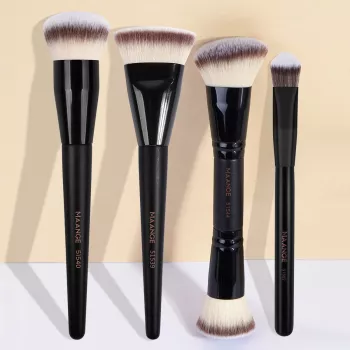
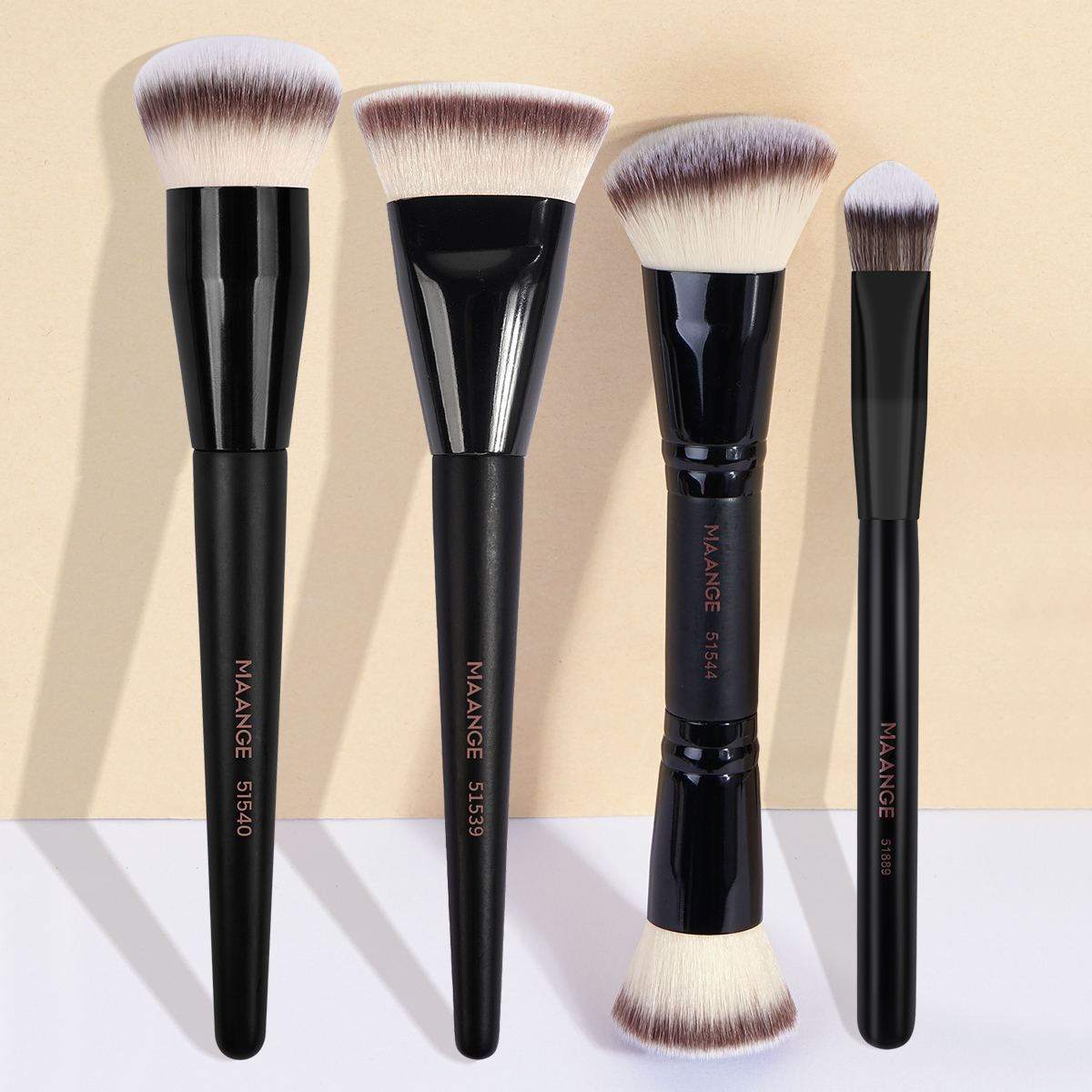
A small brush wardrobe can make base makeup look more even, last longer, and feel lighter on the skin—especially when the bristles are soft and dense. This 4-piece set is designed to cover the core steps of a quick routine: applying and blending foundation, diffusing edges, and detailing around the nose and under-eye area. With the right techniques and simple cleaning habits, these brushes can help reduce streaks, avoid cakey buildup, and keep finish looking polished from day to night.
Brush texture and density do more than change how makeup feels—they change how product sits on skin.
Core face brushes in a small set typically cover base application, blending/finishing, and targeted detail work. Using the right brush for each step helps prevent over-applying product and makes edges look seamless.
| Brush role | Best for | How to use | Pro tip |
|---|---|---|---|
| Foundation/base brush | Liquid or cream foundation, skin tints | Press or buff in small sections, then blend outward | Start at the center of the face and feather out to avoid heavy edges |
| Blending/finishing brush | Softening lines, diffusing bronzer/blush edges | Light sweeping or gentle circular blending | Use whatever is left on the brush to blur borders rather than adding more product |
| Detail/concealer brush | Under-eye, around nose, blemor conceal | Tap to place, then short strokes to blend | Let concealer sit 20–40 seconds before blending for better coverage |
| Precision/edge brush | Nose creases, corners, contour lines, spot work | Use controlled strokes and minimal product | Keep pressure light to prevent lifting base makeup |
Streaks usually come from applying too much product too fast, or from dragging a brush across skin before the product is evenly placed. A few small adjustments make a big difference.
If you’re prone to breakouts or irritation, consistent brush hygiene helps reduce buildup that can aggravate skin. For general acne considerations and triggers, see the Mayo Clinic’s acne overview.
Clean brushes perform better: they blend smoother, pick up product evenly, and feel softer against the skin.
For a step-by-step method, the American Academy of Dermatology Association guide to cleaning makeup brushes is a reliable reference.
Wash foundation and concealer brushes about once a week, and sooner if you’re acne-prone or sensitive. After cleaning, reshape the bristles and dry the brush flat so moisture doesn’t sit in the ferrule.
Dense brushes shine with liquid and cream formulas because they can press and buff product into an even layer. They can be used with powder too, but use lighter pressure and build slowly to avoid a heavy, over-set look.
Common causes include using too much product, applying on dry or poorly prepped skin, dragging the brush instead of stippling then buffing, letting product dry before blending, or using a dirty brush. Use thinner layers, work in small sections, and clean the brush regularly for a smoother finish.





Leave a comment
You must be logged in to post a comment.