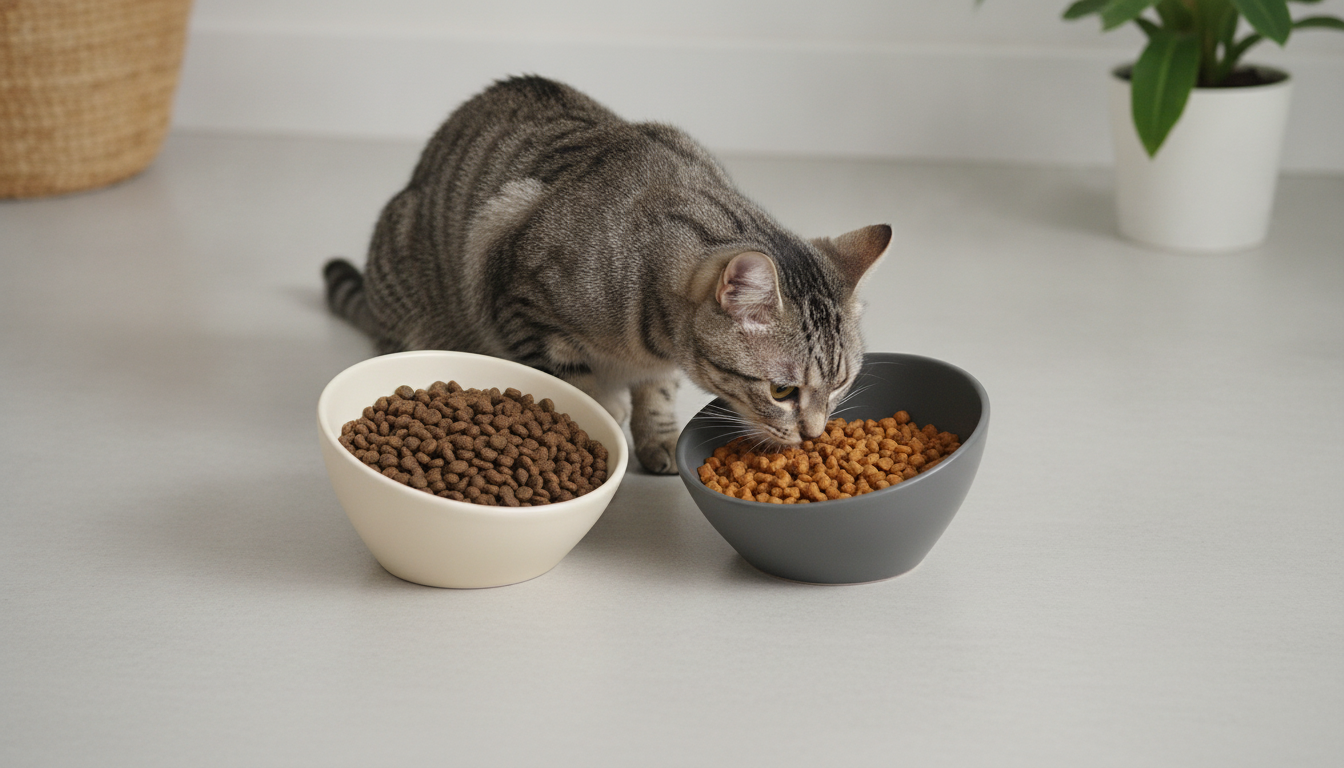
Yes—tilted bowls can help many cats eat more comfortably and a little more cleanly. By angling the food toward the front of the bowl, a tilted design often reduces how far a cat has to bend its neck and how much it needs to “chase” kibble or wet food around the dish. For cats that seem fussy at meals, eat slowly, or leave food along the edges, the change in angle can make eating feel easier and more natural.
When a bowl sits flat on the floor, some cats end up craning down and forward to reach the last bits of food. A slight tilt can bring the food closer to the cat’s mouth, encouraging a more neutral head-and-neck position. This can be especially helpful for older cats or those that look stiff or uncomfortable while eating.
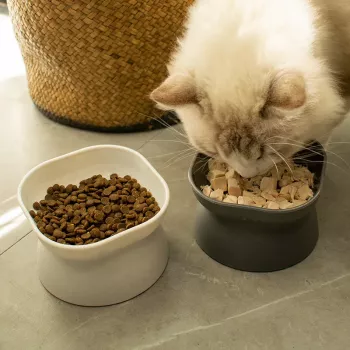
With a flat dish, food can spread out and stick to the sides, which may frustrate cats and lead to “pawing” or pushing food out of the bowl. A tilted bowl helps keep food pooled toward the lower edge so it’s easier to lick up wet food and easier to pick up kibble without excessive nudging.
Because the food is easier to reach, many cats make fewer messy swipes. That can mean less scattered kibble and fewer smears on the rim or mat—though results vary depending on the cat and the bowl’s shape.
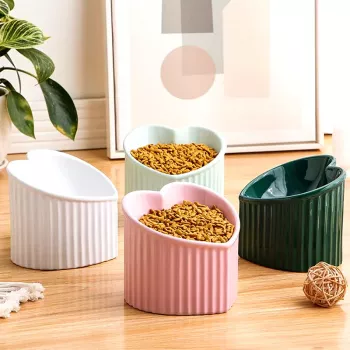
A tilt that’s too steep can cause food to slide too quickly, and some shallow or narrow designs may press on whiskers. Look for a gentle angle, a stable base, and a wide enough eating surface so whiskers aren’t forced against the sides. If your cat is a fast eater, a tilted bowl is not a replacement for a slow feeder when gulping is the main issue.
For a deeper look at angle, height, whisker comfort, and cleanup, see the full guide here: tilted cat food bowl guide.
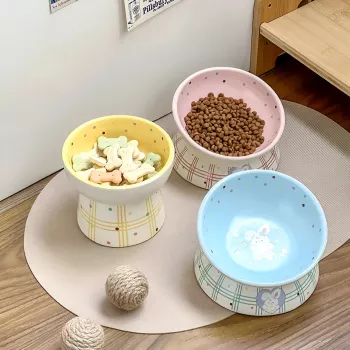
Many cats do well when the bowl is slightly raised so they don’t have to hunch, but the “best” height depends on your cat’s size and comfort. A good sign is relaxed shoulders and an easy swallow without stretching or crouching.

Leave a comment