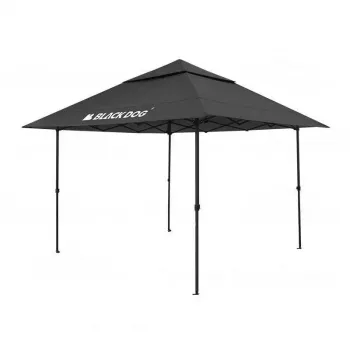
Yes—there are waterproof sunshades, but it helps to know what “waterproof” really means for shade gear. Many products marketed as sunshades are designed mainly for UV protection and airflow, so they may be water-resistant at best. For true rain coverage, look for a tarp-style sunshade made from coated fabrics (like PU-coated polyester) with sealed or well-finished seams and a properly rated waterproofness level.
A dependable waterproof sunshade typically uses a coated fabric that won’t wet out in steady rain, plus reinforced attachment points that can handle tension. Features that matter include a higher hydrostatic head rating, sturdy webbing loops or grommets, and edge binding that resists tearing. A slight catenary cut (curved edges) can also help the tarp pitch tighter, reducing sag and puddling.
Even a great waterproof tarp can fail if it’s pitched flat. To shed water, build a steep slope or an A-frame and avoid low spots where rain can pool. Use guylines to keep fabric taut, and position one corner lower as a runoff point. In windy weather, add extra tie-outs and stake angles that keep tension stable.
Waterproof fabric can still leak at needle holes, seams, or stressed corners if the tarp is flapping or overloaded with pooled water. Also, mesh or breathable “shade sails” won’t become waterproof with treatment—they’re meant for sun, not storms.
For practical setup ideas, sizing guidance, and pitching tips for a rain-ready shade, see the full guide: https://kymug.shop/guide-3x3m-waterproof-camping-sunshade-tarp-setup-tips/.
For Waterproof Sunshades: What Works in Real Rain, the best answer depends on fit, material, care instructions, and how the product will be used day to day.
Pitch it with a clear slope or ridgeline so water has a path to run off, and keep the fabric tight with properly tensioned guylines. Avoid flat pitches and re-tension after the fabric relaxes from moisture or temperature changes.



Leave a comment