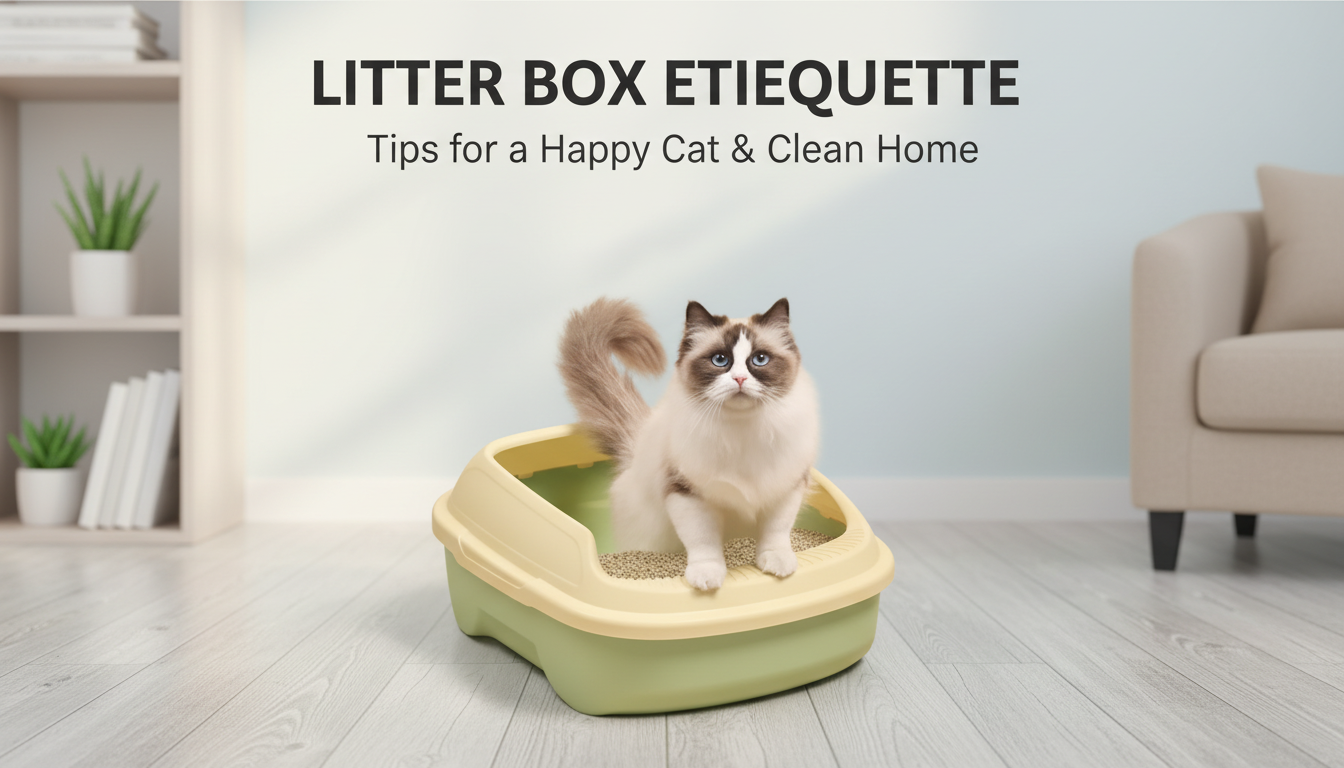
A semi-enclosed litter box can reduce tracked litter and contain scatter while still giving cats the airflow and visibility many prefer. This guide covers what to look for in a plastic semi-enclosed design, how to set it up for fewer messes, and how to keep it fresh with simple routines.
A semi-enclosed litter box sits in the sweet spot between an open pan and a fully covered box. It adds just enough structure to manage mess, without turning the bathroom into a “closed room” that some cats dislike.
If a cat suddenly avoids any box style, it can signal stress, medical issues, or an environmental problem. Reputable guidance on litter box troubles is available from the ASPCA and the Cornell Feline Health Center.
Plastic is popular for litter boxes for a reason: it’s easy to live with. A well-made plastic pan is simple to lift, quick to wash, and straightforward to keep in rotation—especially if you like having a backup box ready.
One thing to watch: scratched plastic can trap odor over time. If the inside walls feel rough or hold smells even after washing, replacing the box is often the easiest fix.
The best style is the one a cat will consistently use. Comfort comes first, then consider how much scatter you can tolerate and how disciplined your scooping routine is. Cats that dislike covered boxes often tolerate semi-enclosed options better than fully enclosed ones.
| Style | Best for | Potential drawbacks |
|---|---|---|
| Open pan | Cats that want maximum visibility and airflow; easy access for seniors | More tracking and scatter; less visual privacy |
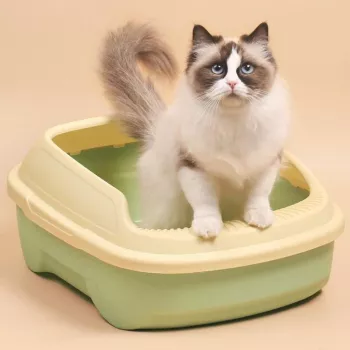
| Semi-enclosed | Reducing scatter while keeping airflow; cats that avoid fully covered boxes | Some litter can still escape; needs consistent scooping for odor control |
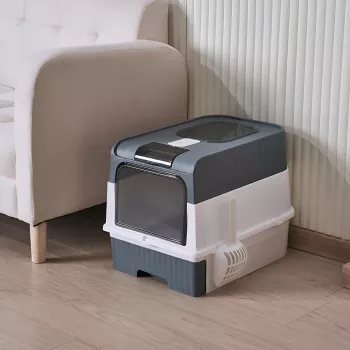
| Fully enclosed/covered | Containing scatter and hiding the box visually | May trap odor; some cats avoid it; can be harder to clean thoroughly |
Not all semi-enclosed boxes control mess the same way. The goal is to keep litter in while still feeling easy and natural for the cat to enter, turn, and dig.
If your cat tends to urinate high on the wall or “miss” when turning, prioritize higher side walls and a front shield that extends above the typical scatter line.
The best litter box can still fail if placement and setup make it hard to use. Small adjustments can noticeably reduce trails of litter and improve consistency.
If a cat is new to a semi-enclosed style, keep the change gentle: put the new box next to the old one for a few days, or keep the same litter so the “bathroom smell” remains familiar. The Humane Society of the United States has practical tips on litter box training and routines.
If you’re looking for a straightforward, breathable litter box that helps reduce scatter without fully enclosing your cat, consider the Plastic Semi-Enclosed Cat Litter Box. The semi-enclosed plastic design is intended to help contain side kick-out while staying open for airflow, and the simple shape makes daily scooping and periodic washing easier to keep up with.
For a small-space setup, pairing a litter station with washable home textiles can also make cleanup less stressful. A couch protector can help manage fur and stray granules in nearby lounging areas, such as the Sofa Knit Throw Blanket with Tassels.
Many cats accept semi-enclosed boxes because they offer some privacy without trapping odors the way fully covered boxes can. Preference varies by cat, so introduce any change gradually and confirm your cat is using it reliably.
Scoop daily, then wash on a regular schedule based on how many cats use it and the litter type—commonly every few weeks. Replace the box if scratches develop or if odors linger even after a thorough wash.
Use a litter mat at the entrance, choose a lower-tracking litter, keep litter depth consistent, and vacuum around the box routinely. Entry height and wall coverage also affect how much litter escapes during digging.

Leave a comment