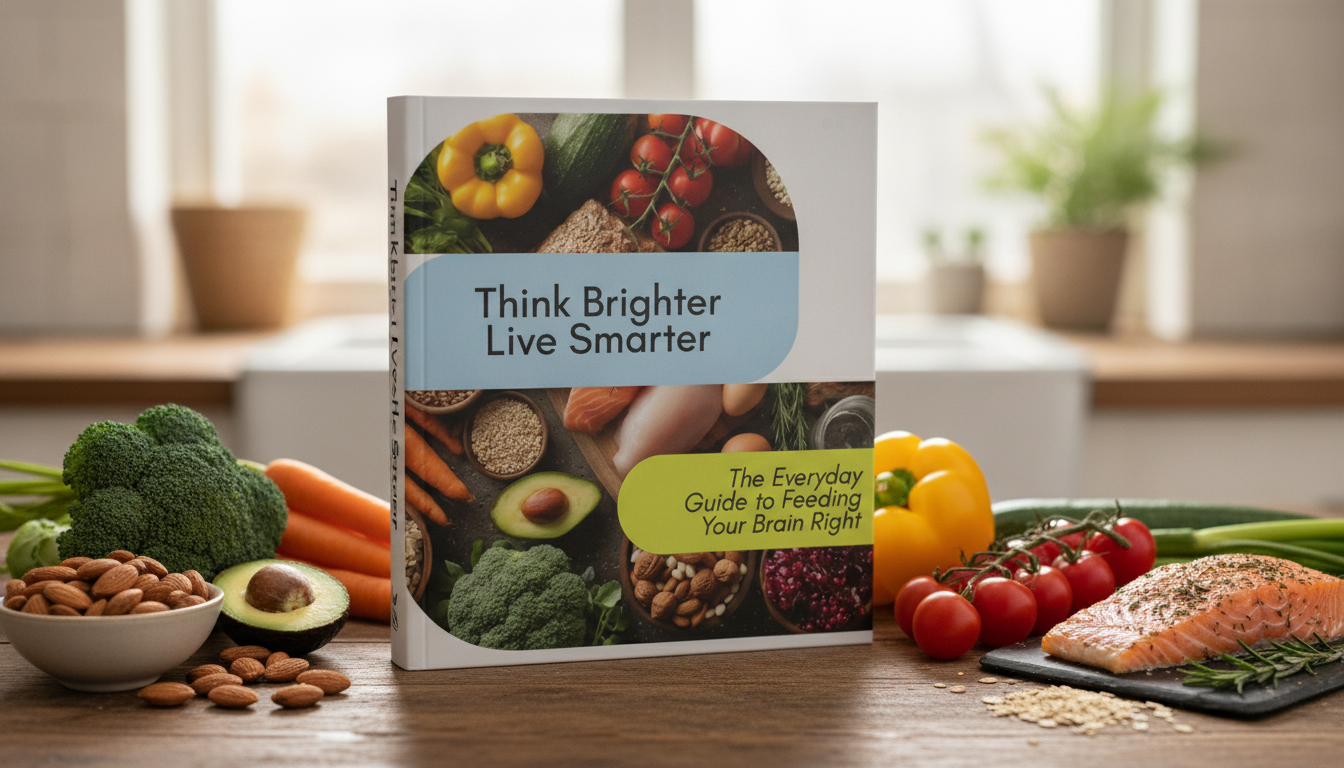
Clear thinking and steady energy are built on daily choices—food, movement, sleep, and stress rhythms. The goal isn’t a “perfect” diet; it’s a repeatable pattern that keeps blood sugar steady, supports neurotransmitters, and makes healthy decisions easier on busy days.
What “feeding your brain” really means day to day
Brain health is highly practical: the right inputs help you stay focused, regulate mood, and avoid the afternoon crash.
- Focus on stable blood sugar: Balanced meals with protein, fiber, and healthy fats can reduce energy dips and brain fog.
- Support brain structure: The brain is lipid-rich, so dietary fats—especially omega-3s—matter for cell membranes and signaling.
- Protect against oxidative stress: Colorful plants, herbs, and spices add antioxidants and polyphenols that support cellular defense.
- Maintain neurotransmitter building blocks: Protein, B vitamins, iron, zinc, magnesium, and choline contribute to cognition and mood.
- Hydration and electrolytes influence attention: Even mild dehydration can affect concentration and mental stamina.
Brain-supportive foods to prioritize (and why they help)
Building a brain-friendly grocery cart is mostly about choosing nutrient-dense staples often, and ultra-processed snacks less often.
- Fatty fish (salmon, sardines) or algae-based omega-3 sources: Support neuronal membranes and a balanced inflammatory response. For a science-backed overview, see the NIH omega-3 fact sheet.
- Eggs, soy, and legumes: Provide choline plus protein—helpful for acetylcholine (a neurotransmitter linked with memory and attention) and steady satiety.
- Leafy greens and crucifers: Nutrient-dense sources of folate, vitamin K, and protective plant compounds.
- Berries, cocoa, and colorful fruit: Rich in polyphenols that may support blood flow and cellular defense.
- Nuts and seeds: Walnuts, flax, chia, and pumpkin seeds add healthy fats, magnesium, zinc, and fiber.
- Whole grains and beans: Slow-release carbs plus B vitamins and iron to support energy metabolism.
Quick brain-friendly swaps
| If this is common… |
Try this instead |
Why it helps |
| Sugary breakfast pastry |
Greek yogurt + berries + nuts |
More protein and fiber for steadier energy |
| Chips as an afternoon snack |
Hummus + vegetables or roasted edamame |
Fiber and protein to curb crashes |
| Sweetened coffee drink |
Coffee/tea with less added sugar + a small protein snack |
Avoids rapid glucose spikes |
| White bread sandwich |
Whole-grain wrap + extra veggies + olive-oil based spread |
More micronutrients and healthy fats |
| Late-night dessert habit |
Herbal tea + fruit + dark chocolate (small portion) |
Satisfies cravings with less sugar load |
A simple daily plate pattern for focus and memory
Instead of tracking everything, use a repeatable “plate pattern” that works at home, at restaurants, and when you’re traveling.
- At most meals: 1–2 palms of protein (fish, poultry, tofu, beans) to supply amino acids for neurotransmitters.
- Add plants: 2 fists of vegetables (or 1 fist vegetables + 1 fist fruit) for fiber and phytonutrients.
- Include healthy fats: 1 thumb of olive oil, avocado, nuts, or seeds for satiety and brain lipids.
- Choose slow carbs as needed: Whole grains, potatoes, or beans based on activity level and hunger.
- Keep meal timing consistent: Predictable meals reduce “hangry” decision fatigue and impulsive snacking.
Supplement basics: when they may help (and when food comes first)
Supplements can be useful, but they work best as gap-fillers—not substitutes for meals that stabilize energy and provide fiber and phytonutrients.
- Food-first covers most needs: Prioritize omega-3 sources, fiber-rich plants, and adequate protein.
- Discuss with a clinician when relevant: B12 (especially for vegetarians/vegans), vitamin D, iron, and omega-3 if intake is consistently low.
- Avoid megadoses and “stacking”: More isn’t always better; interactions can occur with medications or health conditions.
- Use a weekly system for consistency: Missed doses are common without a simple routine.
- Track one change at a time: Notes on sleep, mood, and energy help you identify what actually helps.
If you do take daily supplements, a simple organizer can reduce missed days: 7 Day Pill Organizer Box.
Lifestyle levers that amplify a brain-boosting diet
Nutrition sets the foundation, but your daily rhythms determine whether that foundation turns into consistent focus.
For a broader look at a brain-supportive eating style, Harvard Health summarizes why Mediterranean-style patterns are linked with better brain outcomes: The Mediterranean diet and your brain.
Putting it into a weekly routine that’s easy to maintain
If sleep is the weak link, make evenings feel more wind-down friendly (lower lights, less screen time, consistent temperature). A cozy, dedicated throw can help signal “off-duty” time: Sofa Knit Throw Blanket with Tassels.
A practical guide to learning and staying consistent
For a step-by-step framework you can follow without overcomplicating your week, explore Think Brighter, Live Smarter – The Everyday Guide to Feeding Your Brain Right.
FAQ
What is the best diet for brain health?
A Mediterranean-style pattern is a strong baseline: vegetables, fruit, legumes, whole grains, fish, nuts, and olive oil, while limiting ultra-processed foods and excess added sugar. Keeping protein steady throughout the day also helps with satiety and focus.
Which foods can help with focus and concentration?
Pair slow carbs with protein and healthy fats (like oats with yogurt, or beans with vegetables) to support steadier energy. Omega-3 sources, leafy greens, berries, and good hydration also help, while high-sugar snacks often lead to a crash.
Do supplements improve memory and brain function?
They may help when a deficiency or low intake exists (such as B12, vitamin D, or omega-3s). Food comes first, and it’s smart to avoid megadoses and check with a clinician—especially if you take medications or manage a health condition.
Recommended for you




Leave a comment