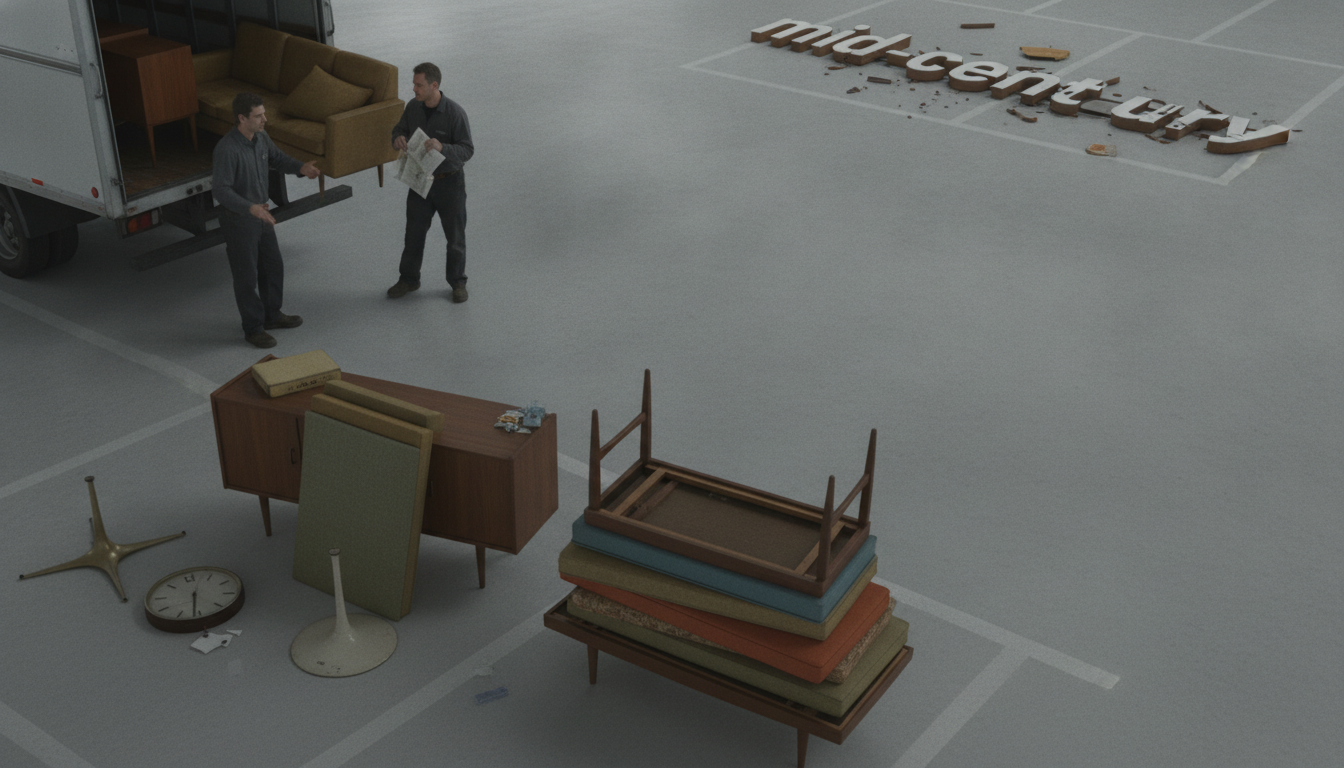
Mid-century modern wasn’t truly “canceled” in the way a TV show or brand gets shut down. What happened is more of a cultural swing: the style’s once-dominant look started feeling overused, overly commercialized, and sometimes out of step with changing tastes. As newer aesthetics gained momentum, some people began treating mid-century modern as a trend that had peaked rather than a timeless design language.
One big reason the style got backlash is simple saturation. Mid-century silhouettes, tapered legs, and warm woods spread from design magazines into mass retail. When every space starts to look like the same “mid-century” set, the style can feel less special and more like a default template. That kind of ubiquity often triggers a counter-movement toward fresher or more personal interiors.
Another factor is quality. Original mid-century modern pieces were often thoughtfully constructed, with proportion and craftsmanship that held up for decades. Many budget-friendly reproductions mimic the shape without matching the materials, joinery, or comfort. Over time, the gap between “mid-century inspired” and authentic mid-century modern made the style feel more like a marketing label than a design philosophy.
As design trends rotated, people gravitated toward styles that emphasize softness, texture, and layering—think curved forms, heavier textiles, richer color palettes, and eclectic mixes. Mid-century modern’s clean lines and pared-back approach can read as sparse if a room isn’t styled carefully. For some, it started to feel too predictable compared to more expressive, maximal, or vintage-mixed interiors.
Even with the backlash, mid-century modern remains a foundational reference point. Designers still borrow its principles—functional layouts, honest materials, and simple geometry—while blending them with newer elements. For a deeper breakdown of what sparked the “canceled” conversation and what’s replacing it, visit https://kymug.shop/why-was-mid-century-modern-canceled/.
Many homes are shifting toward warmer contemporary looks that mix vintage pieces, curved furniture, and richer color and texture. Instead of one strict style, layered “collected” interiors and modern organic design have become popular alternatives.



Leave a comment