Cat Vitamins for Purrfect Health: A Wellness Guide

A complete and balanced cat food appropriate for your cat’s life stage is the foundation of good nutrition. Look for a nutritional adequacy statement on the food label, and ask your veterinarian whether the food fits your cat’s age and health. Kittens, adult cats, and senior cats may have different nutritional considerations, especially when a medical condition is involved.
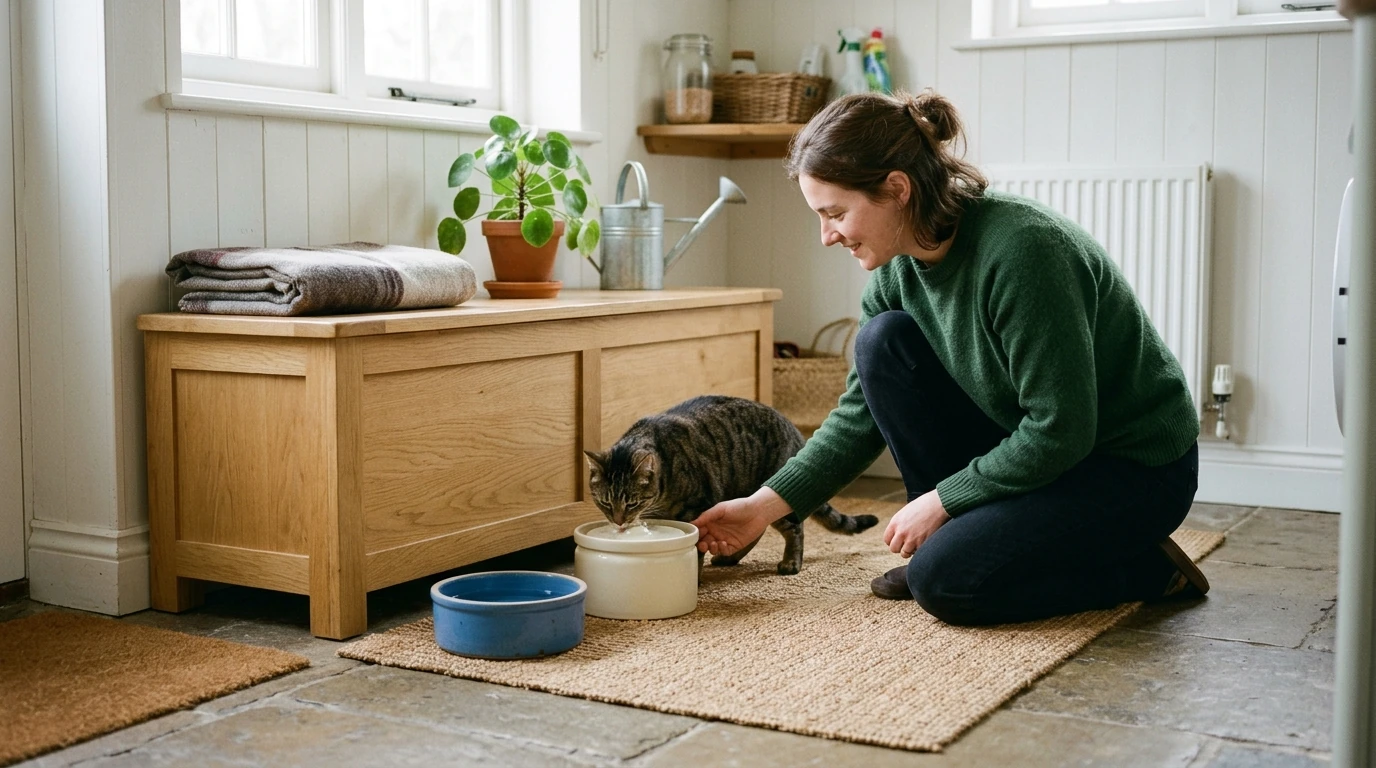
Share how much your cat eats, including treats, table scraps, and any supplements. Feeding habits matter: a cat who eats several foods or regularly leaves meals unfinished may have different needs from one who eats a consistent diet. Your veterinarian can also help you assess body condition and portion sizes rather than relying on weight alone.
A vitamin supplement is not automatically necessary for a cat eating a complete and balanced diet. Adding nutrients without a clear reason can create an imbalance. The Cornell Feline Health Center’s feeding guidance offers more information on feline dietary needs.
Check the product’s listed specifications when evaluating start with your cat’s everyday diet.
Our Cat Vitamins for Purrfect Health digital download focuses on feline nutrition, supplements, and wellness and includes a cat health checklist. It can help you organize observations and questions before a veterinary appointment.
For example, note when your cat’s appetite changed, what food and treats you offer, and whether you are considering a supplement. The guide is educational: it does not diagnose conditions or replace veterinary advice.
Featured in this guide
Cat Vitamins for Purrfect Health | Digital Download Guide for Cat Owners | Feline Nutrition, Supplements, and Wellness eBook | Cat Health Checklist for Vitality and Longevity
There is no universal best supplement for cats. Before giving one, discuss its name, ingredients, dose, and intended duration with your veterinarian. Bring the label and ask what the supplement is intended to address and what to do if you notice an unexpected reaction.
Excess amounts of some vitamins can be harmful, and combining products can make total intake difficult to track. Do not give human vitamins or supplements unless your veterinarian specifically directs you to do so.
If you use our 7 Day Pill Organizer Box for your own routine, keep it securely away from your cat. Human medications and supplements can be dangerous to pets, and a household organizer should not replace the storage instructions provided by your veterinarian or pharmacist.
Keep dated notes about changes in appetite, water intake, litter box habits, weight, activity, and grooming. If you have more than one cat, distinguish their feeding and litter box habits when possible. These observations are conversation starters, not a substitute for an examination.
Difficulty breathing or straining to urinate requires immediate veterinary attention. Contact your veterinarian promptly if your cat is not eating, too; do not wait for a routine appointment when a symptom seems urgent.
Check the product’s listed specifications when evaluating make wellness checks part of your routine.
A few consistent notes can make changes easier to describe. Record your cat’s appetite, water intake, litter box habits, weight, activity, and grooming patterns. You do not need a complicated daily report; a dated note when something changes can be useful.
Keep your observations and nutrition questions together for routine veterinary visits. Include the names of foods and supplements, along with any recent changes to portions or feeding schedules. If you have more than one cat, separate feeding or litter box observations when possible so you can tell your veterinarian which cat is affected.
Contact a veterinarian promptly about concerning changes. Difficulty breathing or straining to urinate requires immediate veterinary attention; contact your veterinarian promptly if your cat is not eating, too. Do not wait for a routine appointment when a symptom seems urgent.
“This guide is a lifesaver! It’s so simple to follow, and my cat’s health has improved drastically. I can’t recommend it enough!”
There is no single best supplement for every cat, and many cats eating a complete and balanced diet do not need one. Ask your veterinarian whether a supplement is appropriate and what dose to use.
Avoid raw meat because it can carry harmful bacteria, and keep cats away from meat prepared with toxic ingredients such as onion or garlic. Ask your veterinarian about safe feeding choices.



Leave a comment
You must be logged in to post a comment.